Noah Müller · 2 September 2026
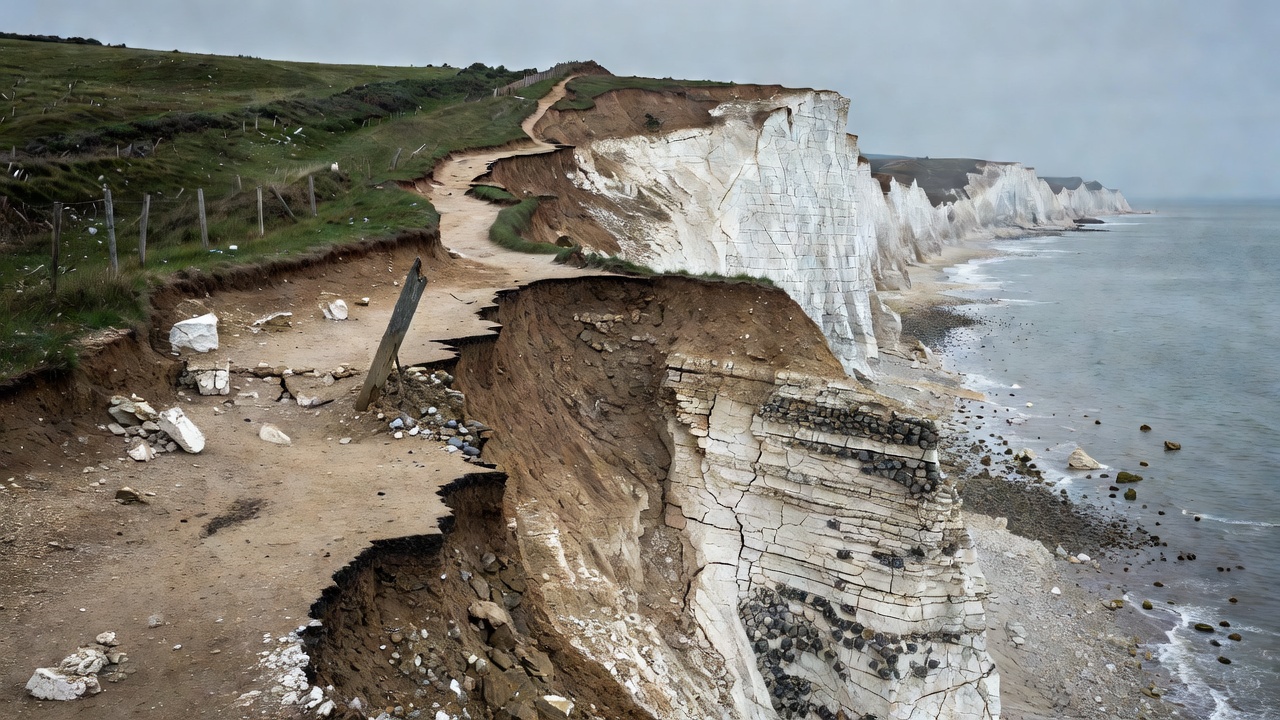
Coastal erosion continues to pose significant challenges to the chalk cliffs along the Sussex coastline, with recent assessments indicating accelerated deterioration in previously stable sections. Experts from the Chalk Pathways Exploration initiative have noted that pathways used by hikers and geologists are now at greater risk of collapse.
Recent Observations and Data
Over the past year, monitoring equipment installed at key sites has recorded an average cliff retreat of 45 centimeters annually, a 20 percent increase from previous decades. This is attributed to intensified storm activity and rising sea levels. Specific areas near Eastbourne have seen multiple small-scale landslides, forcing temporary closures of popular trails. Researchers emphasize the need for ongoing surveillance to predict future events accurately.
Local authorities have collaborated with environmental groups to install warning signs and barriers. However, the dynamic nature of the coastline makes complete mitigation difficult. Data collected from drone surveys and satellite imagery supports these findings, highlighting vulnerable zones that were not previously identified.
Consequences for Exploration Activities
For enthusiasts involved in chalk pathway exploration, these changes necessitate revised route planning and enhanced safety protocols. Several established paths have been rerouted inland to avoid unstable edges. Educational programs run by chalkway.uk.com now include modules on recognizing erosion signs and emergency response procedures.
The ecological impact is also notable, as cliff falls can disrupt habitats for rare seabirds and plant species unique to the chalk environment. Conservation efforts are focusing on preserving biodiversity while allowing safe public access where possible. Future projects may involve artificial reinforcement in critical areas, though this remains controversial among purists who prefer natural processes.
Community involvement has increased, with volunteers contributing to cleanup after incidents and reporting observations via dedicated apps. This citizen science approach aids in building a comprehensive database for predictive modeling. Overall, while erosion presents hurdles, it also underscores the importance of adaptive strategies in exploring these natural wonders.