Hugo Frank · 2 September 2026
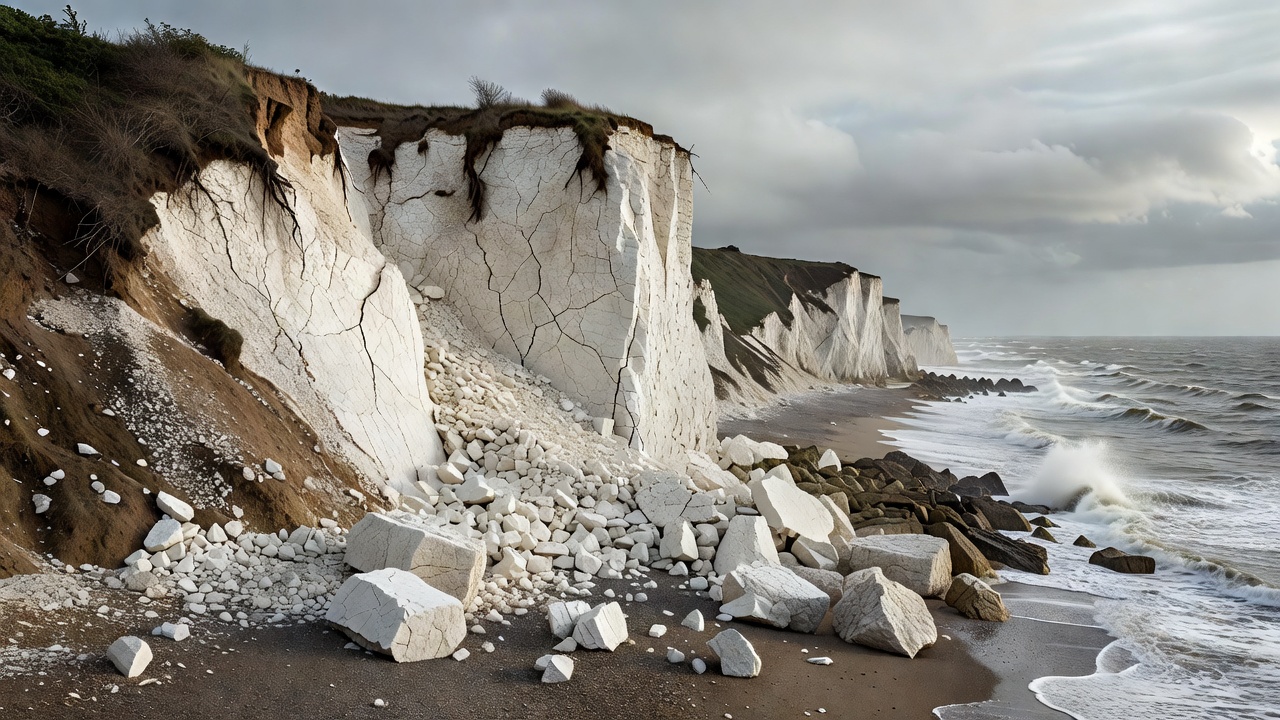
Coastal erosion continues to reshape the iconic chalk cliffs of Sussex with new areas now under threat according to latest geological assessments. The Sussex coastline renowned for its white cliffs has seen increased rates of cliff retreat in recent years due to heavy rainfall and rising sea levels. Scientists from the British Geological Survey have noted retreat rates up to fifty centimeters per year in spots between Brighton and Hastings attributed to storm frequency and higher groundwater saturating the chalk. Additional studies reveal previously stable zones near Eastbourne showing fresh cracks and instability.
Impact on Chalk Pathways
Chalk Pathways Exploration has identified several new sections where paths face risks including areas near Seaford and the Seven Sisters. Explorers must exercise greater caution as routes have closed temporarily with new fissures reported at Beachy Head vicinity. These paths offer unique opportunities to study natural beauty and geological history but safety remains paramount. Local councils install warning signs and barriers while community volunteers map affected areas to update trail guides. The economic impact on related tourism is assessed by regional authorities with monitoring equipment tracking real time movements.
Response and Adaptation Strategies
Partnerships between environmental agencies and exploration societies develop sustainable practices including bioengineering for cliff stabilization. Educational programs roll out in schools to foster appreciation for dynamic coastal landscapes. Regular updates on conditions ensure public safety through official channels. Future explorations may focus on inland alternatives or virtual tours to mitigate risks while maintaining interest in chalk formations. Long term strategies study climate impacts on formations with protective measures implemented where possible.