Noah Müller · 2 September 2026
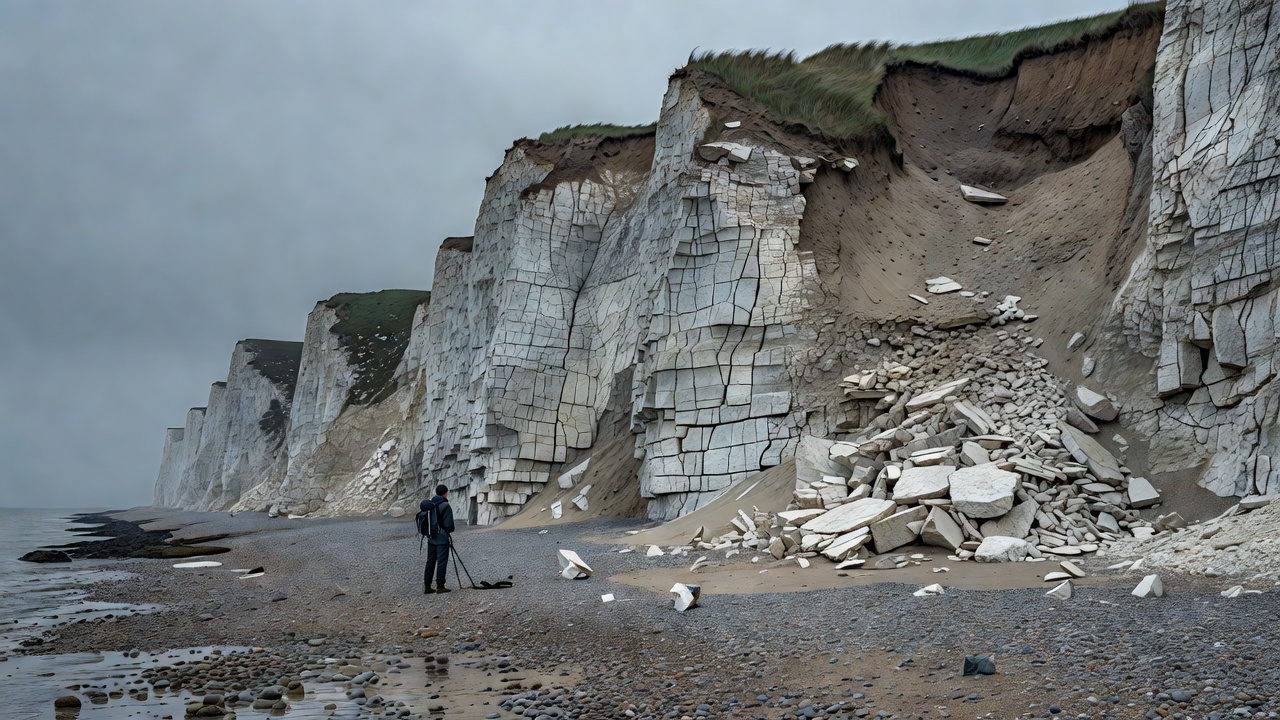
Recent surveys indicate accelerating coastal erosion along the Sussex coastline, with new sections of chalk cliffs showing signs of instability. Experts monitoring the area report increased cliff falls and undercutting, particularly near popular exploration routes used by enthusiasts of chalk pathways.
Effects on Local Pathways
The erosion poses direct challenges to established chalk pathways that wind through the cliffs. Several segments previously considered stable now require rerouting or temporary closure to ensure visitor safety. Data from the past year shows a 15 percent rise in material loss compared to previous measurements, driven by heavier rainfall and stronger wave action. Walkers exploring these routes have noted visible cracks and debris accumulation, prompting calls for updated mapping and signage. Local authorities are collaborating with geologists to assess long-term viability, emphasizing the need to balance access with preservation of the natural chalk formations that define the region's unique landscape.
Wildlife habitats along the cliff edges are also affected, as nesting sites for seabirds become more vulnerable to collapse. Conservation groups highlight that maintaining these pathways supports educational programs about chalk geology while protecting biodiversity. Monitoring equipment installed at key points provides real-time alerts on structural changes, allowing rapid response to emerging threats.
Monitoring and Response Measures
Authorities have initiated enhanced surveillance programs using drone technology and ground sensors to track erosion patterns more precisely. Funding has been allocated for targeted reinforcement in high-risk zones without altering the natural appearance of the cliffs. Educational outreach encourages responsible exploration, advising visitors to avoid unstable areas and report observed changes promptly. These efforts aim to sustain the accessibility of chalk pathways for future generations while mitigating risks associated with ongoing coastal dynamics. Continued research into climate influences will inform adaptive strategies to protect this distinctive Sussex environment.